
Somalia: Historical Political Dynamics

Historical Political Dynamics
Somalia’s political history is shaped by rich traditions of self-governance, a complex colonial past, hopeful independence, authoritarian rule, conflict, and ongoing efforts toward federalism and stability. For many Somali Americans, understanding this journey provides valuable context for building a stronger civic identity and more accountable leadership in the diaspora.
Traditional Somali Governance
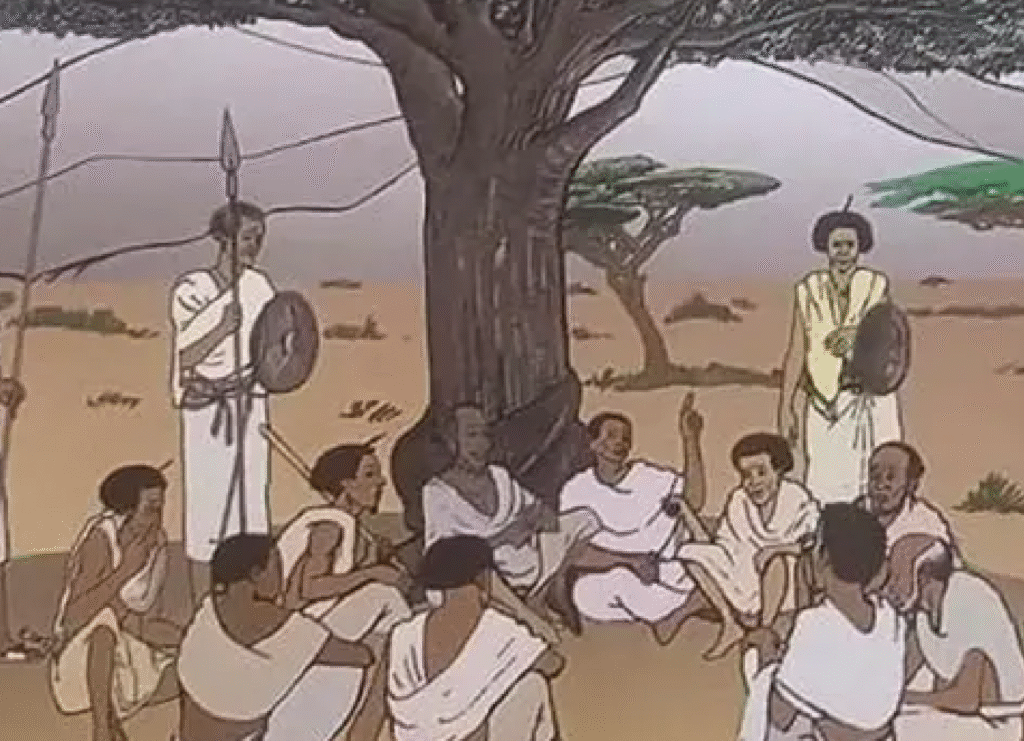
Long before colonization, Somali society operated under a decentralized, clan-based system of governance rooted in Xeer—a customary legal code that regulated social behavior, conflict resolution, and leadership structures. Elders and religious leaders played central roles in mediation and decision-making. Islamic principles also guided law and justice in Somali communities, reflecting a grassroots form of governance with strong moral foundations.
Colonial Impact and Independence
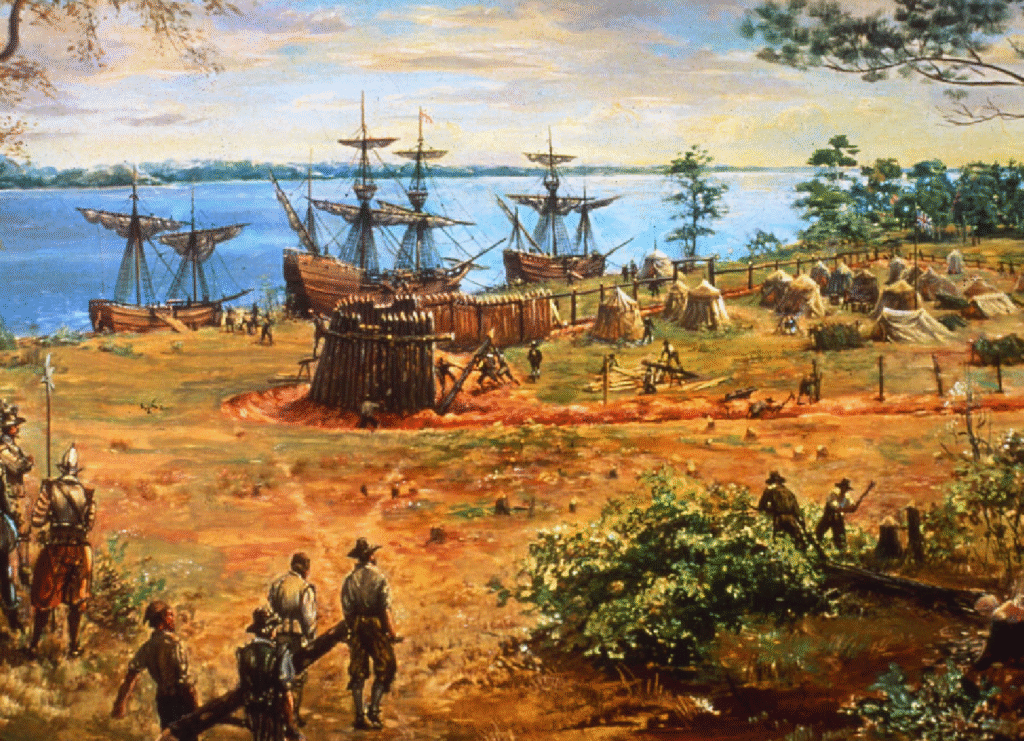
In the late 19th and early 20th centuries, Somalia was divided into five regions under different colonial powers—mainly Britain and Italy. This division disrupted traditional systems and imposed foreign political structures. Following years of struggle and negotiation, Somalia gained independence in 1960 with the unification of British Somaliland and Italian Somaliland. The newly formed Somali Republic became a symbol of Pan-Somali aspirations.
The Era of Civilian Government (1960–1969)
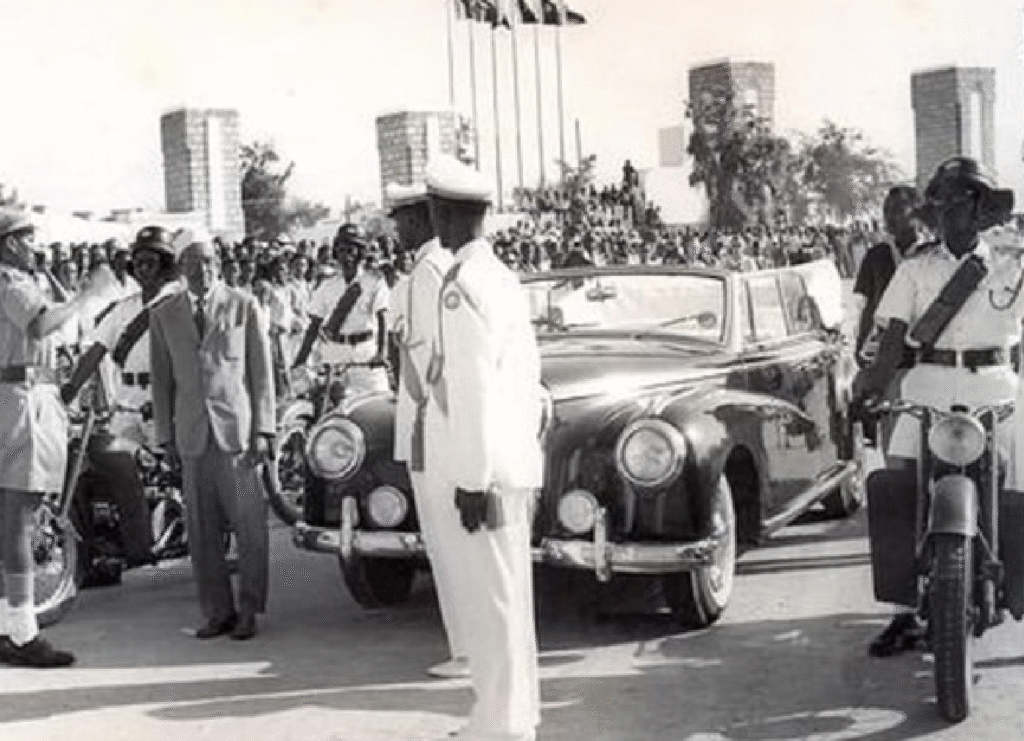
The 1960s marked Somalia’s democratic beginning. A parliamentary system was established, multiple parties emerged, and leaders like Aden Abdulle Osman and Abdirashid Ali Sharmarke led the country. Despite economic challenges and regional tensions, Somalia earned respect for peaceful political transitions, becoming the first African nation to experience a democratic transfer of power.
Military Rule and Centralization (1969–1991)
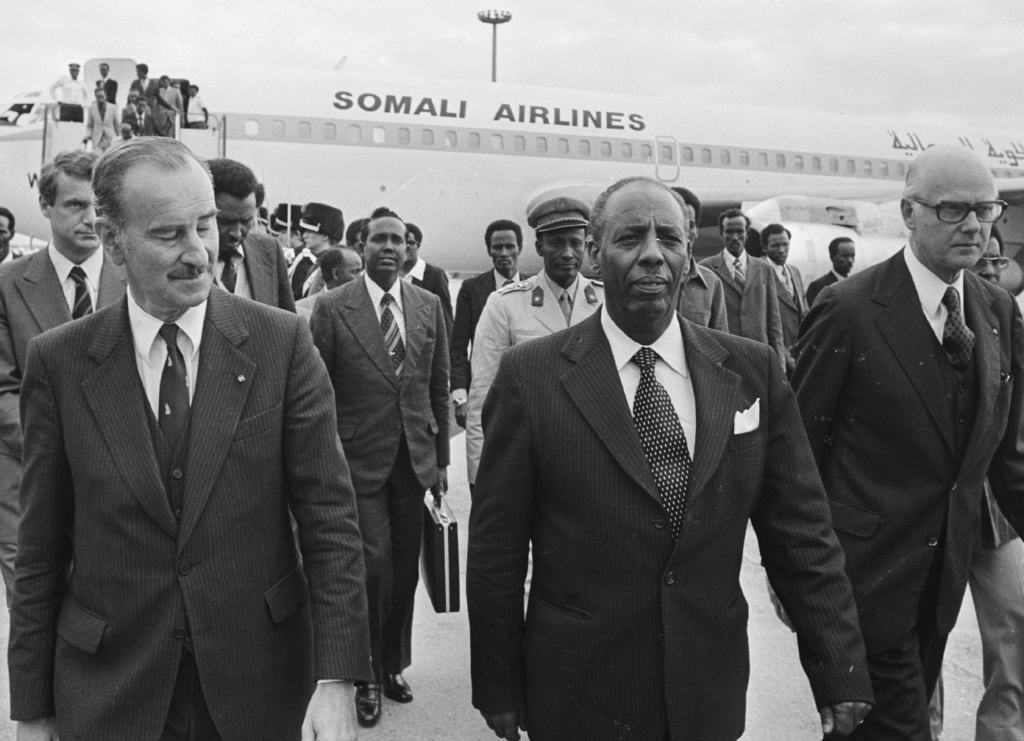
After the assassination of President Sharmarke in 1969, the military, led by General Mohamed Siad Barre, took power through a coup. Barre’s regime was marked by ambitious efforts to modernize Somalia. Under the banner of scientific socialism, his government launched mass literacy campaigns, expanded access to public education, promoted women’s rights, and developed critical infrastructure. Major projects included nationwide road construction, public health programs, and the unification of Somali language scripts (Latin script adoption). Somalia gained international recognition for its literacy rates and state-driven development during the 1970s.
Barre’s administration also emphasized Somali nationalism and unity, minimizing clan divisions in the early stages. The government’s active role in Pan-Somali advocacy and support for regional liberation movements further defined its assertive regional posture. Eventually, internal resistance and clan-based uprisings led to state collapse in 1991.
Civil War and Fragmentation (1991–2000s)
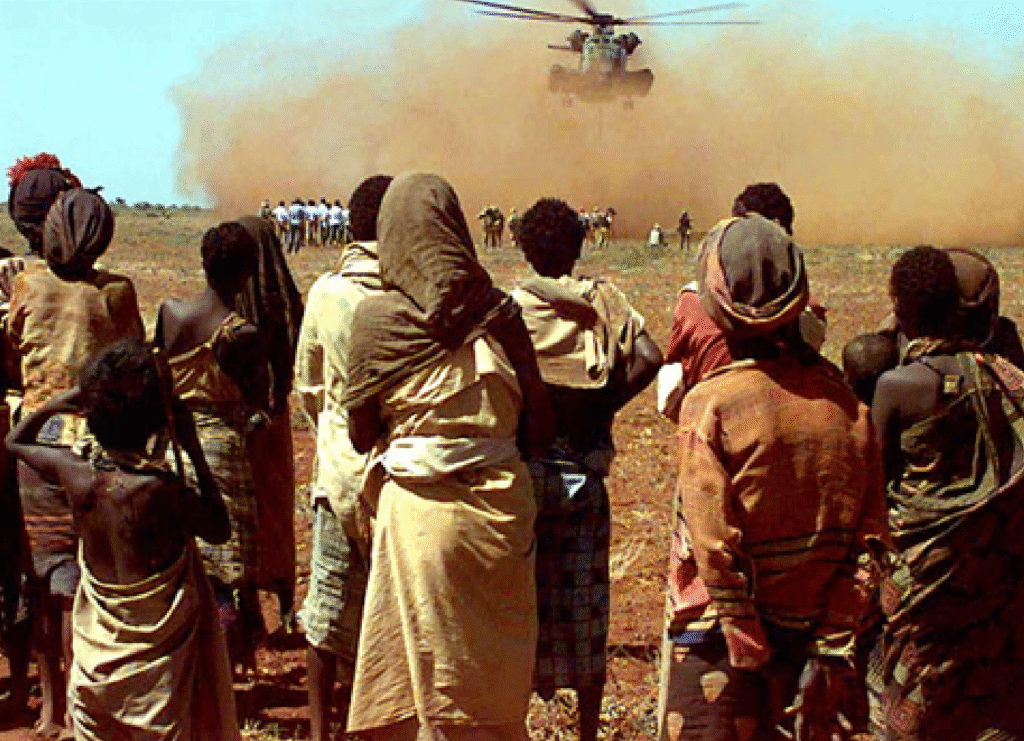
The fall of Barre’s government plunged Somalia into chaos. Warlords filled the power vacuum, resulting in violence, famine, and mass displacement. The international community intervened with limited success, and millions fled the country—leading to the growth of a global Somali diaspora. In this era, the lack of a functioning state exposed the dangers of political exclusion, fragmentation, and the abuse of power.
Federalism and Transitional Governments (2004–Present)
In response to prolonged instability, Somalia adopted a federal framework in the early 2000s. Transitional federal governments and later the Federal Government of Somalia were formed. Though progress has been slow and often fragile, efforts continue toward decentralization, constitutional reform, regional representation, and eventual democratic elections. The Somali diaspora has played an active role in this rebuilding process economically, politically, and socially.
Lessons for the Diaspora
Somalia’s political journey offers powerful lessons for Somali communities living abroad. From traditional consensus-building to centralized nation-building under Siad Barre, and later, the challenges of conflict and reconstruction, each chapter holds valuable insights. In particular, the early years of Barre’s rule demonstrated how visionary leadership—centered on education, infrastructure, and national unity—can bring rapid development when driven by purpose and clarity. Somalia’s literacy campaigns, investment in roads, hospitals, and education, and a push for national cohesion created hope, pride, and progress for millions.
However, history also reminds us of the dangers of concentrating power without accountability, and the long-term damage that comes when leadership drifts from its people.
The Minnesota Somali Independent Party (MNSIP) is built on this awareness. Our goal is to promote inclusive, transparent, and community-rooted governance in Minnesota—drawing strength from the good Somalia once achieved, while learning from its mistakes. MNSIP envisions a political culture where Somali Americans are informed, engaged, and leading with wisdom, unity, and fairness.
Resources for Learning More
- Making Sense of Somali History by Dr. Abdi Sheikh Abdi
🔗 Available via African Books Collective - The Invention of Somalia – Edited by Ali Jimale Ahmed
🔗 Available via Amazon - Somali Studies International Association (SSIA)
🔗 SSIA Website - Somali Public Agenda – Research and policy analysis
🔗 https://somalipublicagenda.org - Al Jazeera Documentary: Somalia’s Political Future
🔗 Watch on YouTube - BBC Documentary – Somalia: State of Anarchy (Archive)
🔗 BBC Somalia Archive - Heritage Institute for Policy Studies – Somalia-based think tank conducting research and policy dialogue
🔗 https://heritageinstitute.org - Isuroon – U.S.-based nonprofit advancing the health and empowerment of Somali women and girls
🔗 https://isuroon.org - Xeer Ciise: Oral Customary Laws of Somali Issa Communities – UNESCO-recognized legal tradition preserved through oral heritage across Somalia, Djibouti, and Ethiopia
🔗 UNESCO Xeer Ciise Entry